
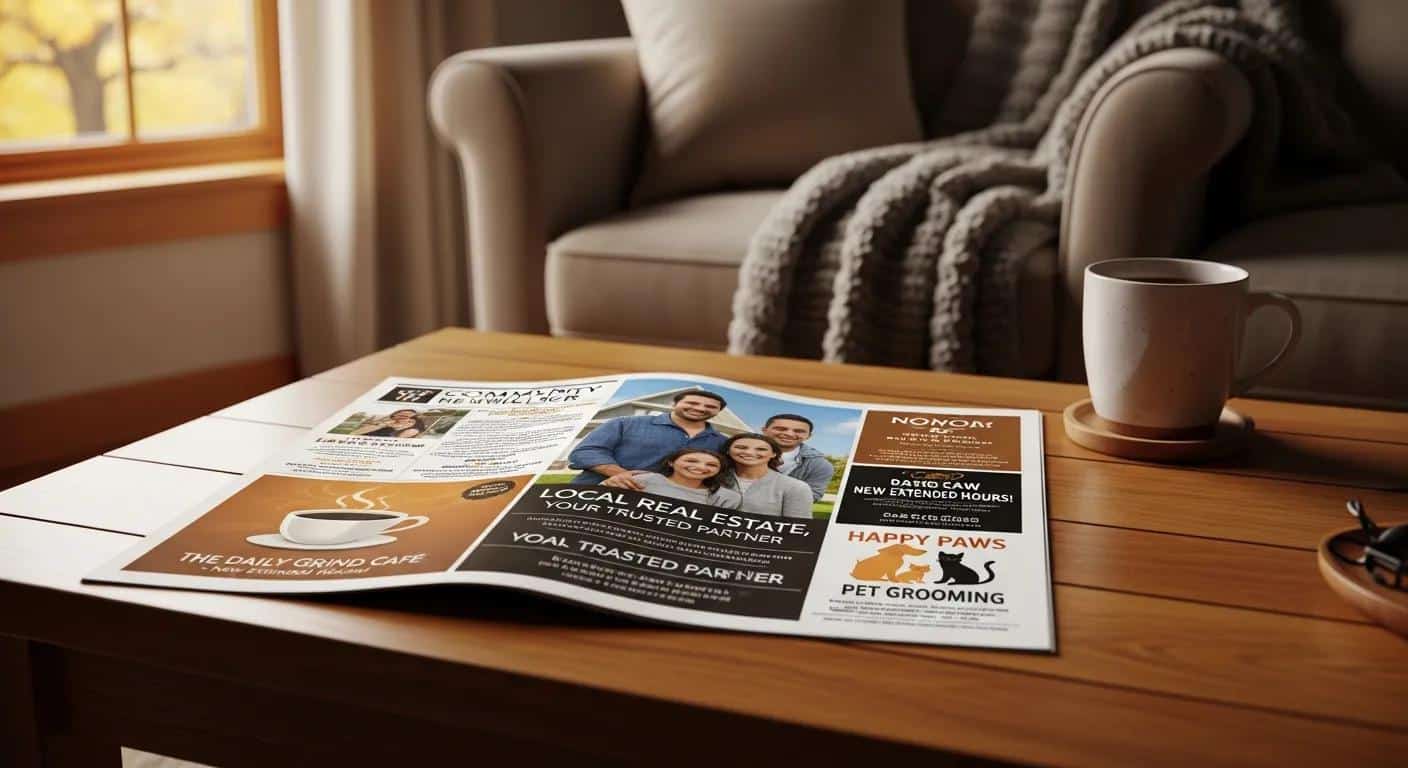
Newsletter Advertising Placement Options: Comprehensive Guide to Community Newsletter Advertising Rates and Best Practices
Impact of Community Newsletters on Local Engagement
Traditional communication channels—printed newspapers and newsletters, personal conversation, and related media—remain relevant for community development, particularly in smaller rural contexts. This study evaluates the establishment of a volunteer-produced community newsletter in Lot 16, Prince Edward Island, in March 2004. Household surveys and key informant interviews indicate the newsletter was widely read, increased awareness of local activities and residents, and generated greater interest in community affairs. The findings further suggest the newsletter contributed to community capacity for subsequent activities.
The role and impact of community newsletters in fostering social cohesion and community development, 2006
What Are the Standard Newsletter Ad Sizes and Placement Options?
- Full Page: Offers maximum visibility and is ideal for detailed messaging.
- Half Page: Provides a balance between visibility and cost, suitable for concise information.
- 1/3 Page: A versatile option that fits well in various layouts while maintaining impact.
- 1/4 Page: Cost-effective for businesses looking to maintain a presence without overwhelming the reader.
- Two-Page (Center Spread): The most visually appealing space. It provides ample space for larger, more captivating images while retaining room for business details.
Which Ad Sizes Are Most Effective in Community Newsletters?
- Two Page Center Spread: This space is for businesses that want visual IMPACT. Because it is the center, the newsletter opens naturally to it, keeping brand and message front and center.
- Full Page: Ideal for comprehensive messaging and brand storytelling, often leading to increased reader recall.
- Half Page: Balances cost and visibility, making it a popular choice for many advertisers.
- 1/3 Page and 1/4 Page: While smaller, these sizes can still be effective when designed creatively to capture attention quickly.
How Does Ad Placement Impact Visibility and Engagement?
- Front Page Ads: Typically receive the highest visibility, making them ideal for promotions or announcements.
- Inside Page Ads: While they may have lower visibility than front-page ads, they can still be effective, especially if placed near relevant content.
- Back Cover Ads: Often overlooked, these can be valuable for branding and reminders, as they are the last thing readers see.
How Do Community Newsletter Advertising Rates Vary by Neighborhood and Package?
- Neighborhood Targeting: Affluent neighborhoods may command higher rates due to the potential for greater ROI.
- Package Options: Different packages may offer varying levels of exposure, such as frequency of publication and ad size.
| Neighborhood | Package Type | Rate |
|---|---|---|
| Buckhead | Full Page | Premium |
| Decatur | Half Page | Moderate |
| Sandy Springs | 1/3 Page | Moderate |
What Pricing Models Are Common for Local Newsletter Advertising?
- Flat Rate: A fixed cost for a specific ad size and placement, regardless of readership.
- Cost Per Impression (CPI): Charges based on the number of readers who see the ad, providing a performance-based approach.
- Cost Per Click (CPC): Advertisers pay only when a reader clicks on their ad, ideal for digital formats.
How Do Targeted Neighborhood Ads Influence Advertising Costs?
- Cost-Effectiveness: By reaching a more relevant audience, businesses can minimize wasted ad spend.
- Higher Engagement Rates: Ads tailored to the interests and needs of a specific neighborhood often yield better engagement.
What Are the Best Practices for Designing Effective Newsletter Ads?
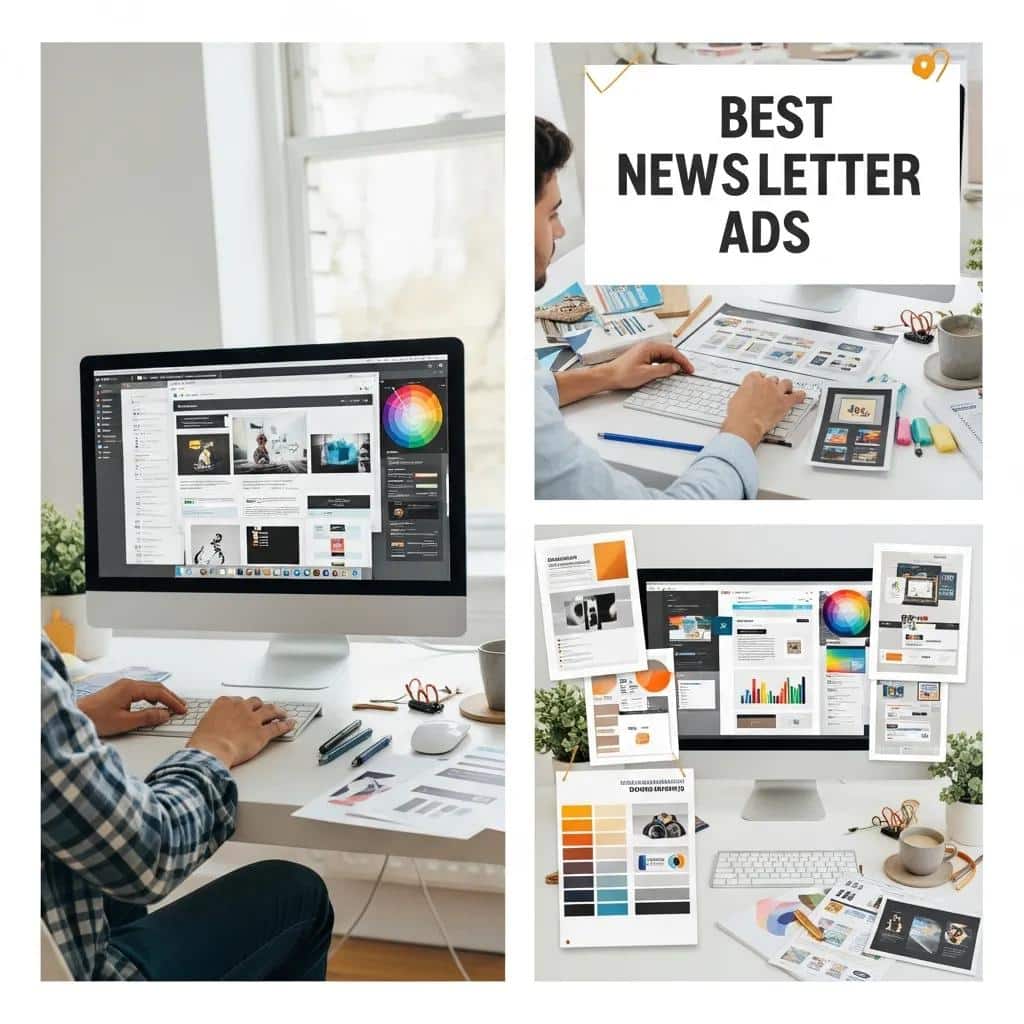
- High-Quality Visuals: Use eye-catching images that resonate with the target audience.
- Clear Messaging: Ensure the ad communicates its message quickly and effectively.
- Local Relevance: Tailor content to reflect the interests and needs of the community.
How to Optimize Ad Design for Affluent Homeowner Audiences?
- Personalized Content: Tailor messages to reflect the lifestyle and interests of affluent audiences.
- Exclusive Offers: Highlight unique promotions or services that appeal to this demographic.
- Community Engagement: Foster a sense of connection by incorporating local themes and references.
Which Ad Formats Enhance Community Engagement and ROI?
- Interactive Ads: Encourage reader participation, such as contests or surveys.
- Storytelling Formats: Use narratives to connect emotionally with readers, making the ad more memorable.
- Visual-Heavy Formats: Ads that prioritize visuals over text can capture attention more effectively.
How Can Advertisers Measure the ROI of Neighborhood Newsletter Ads?
- Tracking Inquiries: Monitor the number of inquiries generated from the ad.
- Analyzing Close Rates: Evaluate how many inquiries convert into sales.
- Using Digital Tracking Tools: Implement tools to track engagement and response rates. QR codes that lead to special offers or other lead tracking tools.
What Metrics Demonstrate Advertising Effectiveness in Local Newsletters?
- Close Rates: The percentage of inquiries that result in sales.
- Average Job Size: The average revenue generated from each sale.
- Customer Feedback: Collecting feedback from customers can provide qualitative insights into ad effectiveness.
How Do Case Studies Illustrate Successful Newsletter Advertising Campaigns?
- Tangible Presence: Successful campaigns demonstrate how consistent advertising builds brand recognition.
- Credibility and Trust: Well-executed ads can enhance a brand's reputation within the community.
- Targeted Reach: Case studies often showcase how targeted advertising leads to higher engagement and conversion rates.